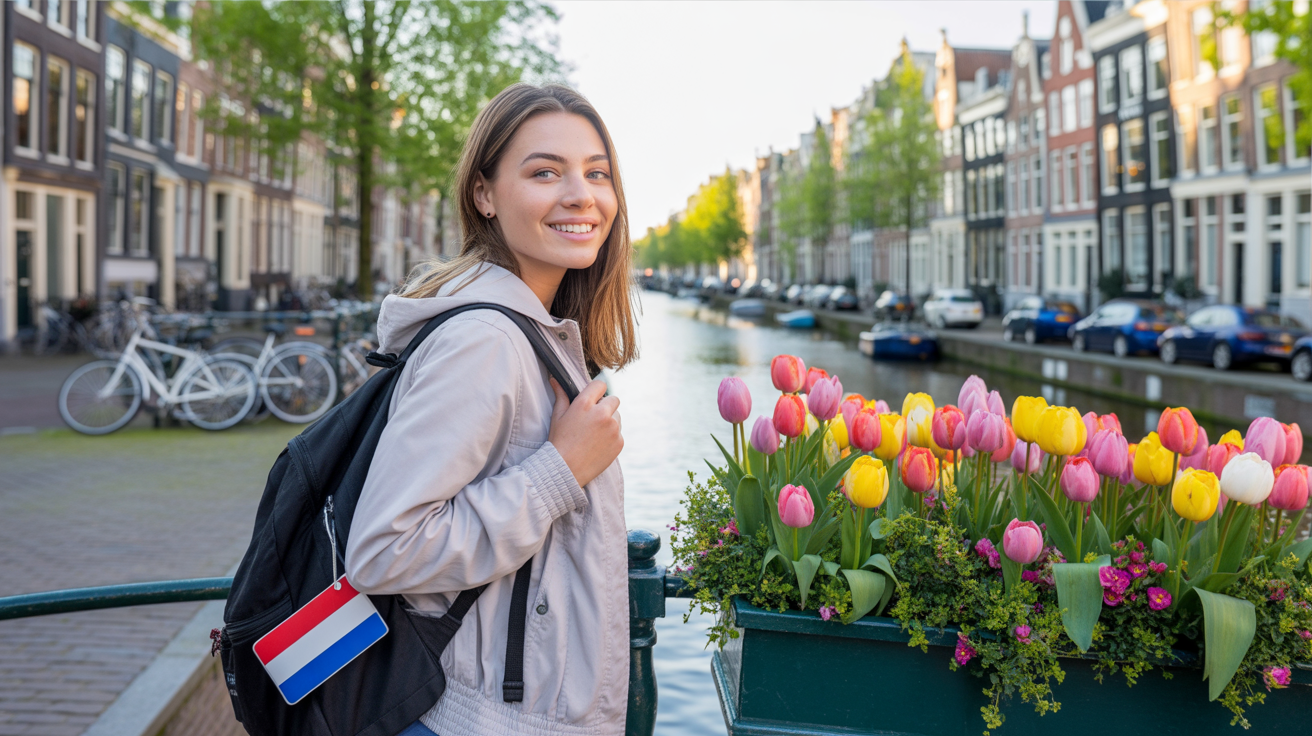
How to Transition to Life in the Netherlands as an International Student: A Comprehensive Guide
- Preparation Before Arrival
- Navigating the Dutch Academic Environment
- Living in the Netherlands: Embracing Culture and Community
- Financial Considerations: Managing Tuition and Living Expenses
- Long-term Opportunities: Career and Residency
- Adjustment Tips: Ensuring a Smooth Integration
- Why Choose Study in Netherlands for Your Transition?
- Take the Next Step with Study in Netherlands
Preparation Before Arrival
Understanding Documentation and Requirements
Before you embark on your journey, it’s critical to gather and prepare all necessary documents:
- Educational transcripts and certificates
- Proof of English language proficiency such as IELTS, TOEFL, or Cambridge exams
- Personal statements and letters of recommendation
- Visa application documents, if required based on your nationality
- Financial statements demonstrating your ability to support your studies and living expenses
Ensuring these documents are complete and authenticated reduces the chances of delays or complications during the visa and university application process.
Meeting Language Proficiency Standards
English is the primary medium of instruction for numerous programs in the Netherlands. Most universities require proof of English proficiency through standardized testing. Specific score requirements depend on your chosen program and institution but generally follow these standards:
- IELTS: 6.0–7.0
- TOEFL: 80–100 (iBT)
- Cambridge English: CAE or CPE
Navigating the Dutch Academic Environment
The Dutch Educational System: Innovative and Inclusive
The Netherlands ranks among the top countries globally for higher education, boasting an innovative teaching style focused on student autonomy, critical thinking, and practical application.
Choosing the Right Study Program
Whether you are interested in business, engineering, social sciences, or the arts, Dutch institutions offer diverse programs with flexible options.
Living in the Netherlands: Embracing Culture and Community
Cultural Adaptation and Social Life
The Netherlands offers a unique blend of historic charm and modern lifestyle. The Dutch are known for their open-mindedness and English fluency, making social integration easier for international students.
International Student Community
One of the most valuable aspects of studying in the Netherlands is the vibrant international student community, allowing you to form friendships across cultures and gain new perspectives.
Financial Considerations: Managing Tuition and Living Expenses
Tuition Fees Overview
Tuition fees in the Netherlands vary based on nationality:
- EU/EEA students: €2,000–€4,000 annually
- Non-EU/EEA students: Undergraduate fees typically range from €6,000 to €15,000 per year; Master's programs can cost between €8,000 and €20,000
Cost of Living
In addition to tuition, budget for living costs including accommodation, utilities, food, public transportation, health insurance, and academic materials. On average, living expenses range from €800 to €1,200 per month.
Long-term Opportunities: Career and Residency
Career Development and Job Market Access
Graduating from a Dutch university opens doors to numerous career pathways. Many universities offer career counseling and job placement programs that facilitate employment opportunities for graduates.
Residency and Post-Study Work
International graduates have options to extend their stay in the Netherlands to seek employment. The Dutch orientation year permit (“zoekjaar”) allows recent graduates to live in the country for up to one year to find work.
Adjustment Tips: Ensuring a Smooth Integration
Social and Cultural Integration
- Learn basic Dutch: Knowledge of Dutch facilitates daily communication.
- Engage in campus life: Participate in orientation weeks and clubs.
- Explore beyond your city: Day trips to nearby towns are accessible.
- Adopt Dutch customs: Cycling is an essential part of Dutch life.
Practical Steps After Arrival
- Register with the municipal authorities (gemeente) within 5 days.
- Open a Dutch bank account to manage expenses smoothly.
- Arrange health insurance promptly.
- Familiarize yourself with public transit options.
- Secure comfortable and affordable student-friendly accommodation.
Why Choose Study in Netherlands for Your Transition?
As the leading platform in international student recruitment, Study in Netherlands offers unmatched expertise tailored to students, universities, recruiters, and agencies.
Take the Next Step with Study in Netherlands
Are you interested in exploring more about studying in the Netherlands? Let us guide you every step of the way.