
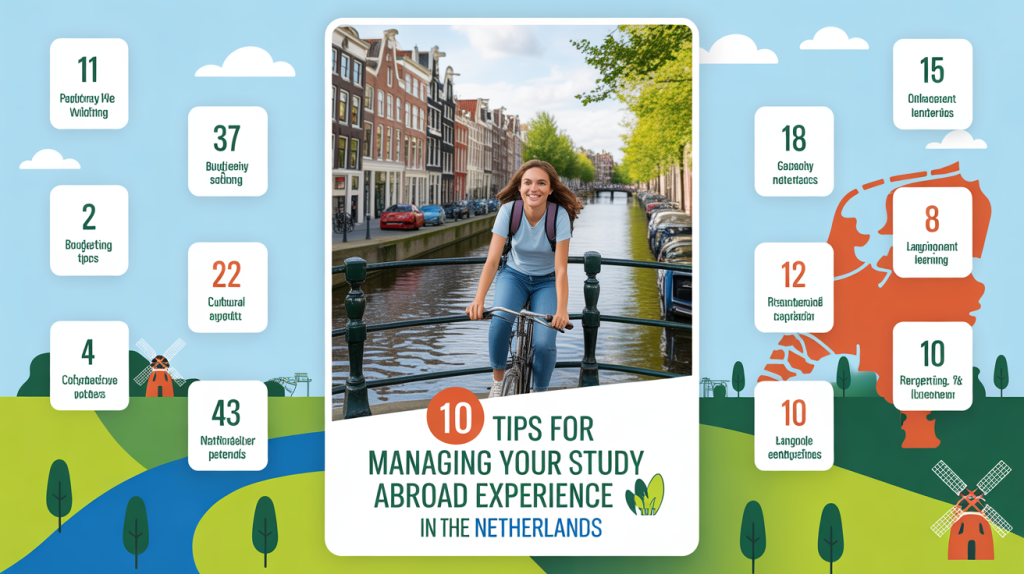
Top 10 Tips for Managing Your Study Abroad Experience in the Netherlands
- 1. Plan Ahead and Organize Early
- 2. Secure Accommodation Promptly
- 3. Create a Realistic Financial Plan
- 4. Learn How to Ride a Bike
- 5. Embrace Cultural Openness
- 6. Participate in Student Associations and Clubs
- 7. Engage in Local Activities and Events
- 8. Join Sports and Wellness Activities
- 9. Learn Basic Dutch
- 10. Explore Beyond Your City
1. Plan Ahead and Organize Early
Starting early is crucial for a smooth study abroad experience. Preparing your application, acquiring English proficiency certifications, and securing visas can be time-consuming processes. A well-structured timeline and checklist can prevent last-minute stress and ensure you meet all deadlines comfortably.
- Begin researching university programs and admission criteria at least a year before your intended start date.
- Gather required documents such as transcripts, recommendation letters, and proof of financial means early.
- Initiate visa applications and health insurance arrangements promptly.
Effective early planning not only enhances your chances of admission but also facilitates a seamless transition. At Study in Netherlands, we specialize in automating and streamlining application processes, ensuring international recruitment teams and admissions officers can manage these early stages efficiently. Learn more about our international recruitment services.
2. Secure Accommodation Promptly
Student housing in popular Dutch cities often faces high demand, making early accommodation search vital. Many universities have limited on-campus housing options, and private rentals can be competitive.
Key considerations for accommodation:
- Prioritize proximity to campus and public transport.
- Compare rental costs aligned with your budget, factoring in utilities.
- Verify rental agreements carefully to avoid fraud or misunderstandings.
Early accommodation arrangements reduce stress and provide a comfortable living environment from the start. For education agencies and HR professionals managing international placements, our platform offers tools to assist students in finding verified housing options, promoting safer and smoother relocations.
3. Create a Realistic Financial Plan
Living and studying in the Netherlands involves various expenses beyond tuition. International students must budget thoughtfully to accommodate living costs, insurance, transport, and leisure.
Tips for financial planning:
- Research average monthly expenses for your city, including rent, groceries, and transport.
- Understand tuition fees and payment schedules.
- Set aside funds for emergencies and social activities to maintain a balanced life.
Financial planning safeguards against unexpected difficulties, allowing students to focus on their studies and cultural experiences. Our experts at Study in Netherlands provide guidance to help admissions teams and recruitment agencies advise students accurately on budgeting requirements.
4. Learn How to Ride a Bike
Cycling is ingrained in Dutch culture and is the primary commuting method for many students. Bikes offer an economical, sustainable, and flexible transportation option.
Benefits of cycling include:
- Efficient travel within cities and towns.
- Health and wellness advantages through regular physical activity.
- Access to scenic Dutch landscapes and local neighborhoods.
Encouraging students to learn cycling early can significantly improve their quality of life. Universities often provide cycling safety workshops, and our platform shares resources on integrating local lifestyle practices, supporting student well-being and adaptation.
5. Embrace Cultural Openness
The Netherlands is renowned for its multiculturalism and progressive social environment. Embracing openness and cultural diversity is essential to thrive academically and socially.
Strategies to cultivate cultural openness:
- Engage with local Dutch students and fellow internationals.
- Attend intercultural events and workshops.
- Respect local customs, social norms, and communication styles.
For recruitment teams and university staff, fostering an inclusive environment is key to student satisfaction and retention. Our services facilitate cultural integration through targeted communication and community-building initiatives accessible via our student support resources.
6. Participate in Student Associations and Clubs
Joining student-led organizations can dramatically enrich the study abroad experience. Dutch universities host numerous societies ranging from academic groups to cultural clubs.
Advantages of participating in student associations:
- Build friendship networks.
- Develop leadership and teamwork skills.
- Access academic support and extracurricular learning.
These organizations provide a platform for holistic development and social engagement. Admissions and marketing professionals can leverage this aspect to promote university campuses as vibrant, welcoming environments, supported by our insights into student life and engagement patterns.
7. Engage in Local Activities and Events
Dutch cultural events such as King’s Day, local markets, and festivals offer international students unique opportunities to connect with the community and experience authentic traditions.
Ways to engage:
- Attend public festivals and celebrations.
- Volunteer for community projects.
- Explore local cuisine and art scenes.
Participation fosters a sense of belonging and enriches the cultural study but also helps in language practice and widening social circles. Education recruiters can incorporate such engagement opportunities into informational materials to attract prospective students.
8. Join Sports and Wellness Activities
Staying active is vital to managing the pressures of studying abroad. Dutch universities provide excellent sports facilities and clubs catering to various interests and skill levels.
Health and social benefits include:
- Physical and mental well-being improvement.
- Social integration through team sports.
- Stress relief and time management balance.
HR and student services teams can promote wellness programs as part of international student support, while agencies benefit from guiding students towards a balanced lifestyle, facilitated by features in our platform’s student wellness modules.
9. Learn Basic Dutch
Although most Dutch people speak English fluently, learning basic Dutch can enhance everyday interactions and demonstrate respect for the host culture.
Benefits of learning Dutch:
- Easier communication in administrative settings.
- Improved social integration.
- Enhanced employment prospects during and after studies.
Many universities offer Dutch language courses tailored to international students, and our platform integrates curated learning resources to support language acquisition, empowering recruitment agents and students alike.
10. Explore Beyond Your City
The Netherlands, with its rich history and diverse landscapes, offers plenty to explore beyond academic commitments.
Recommended travel experiences:
- Visit canals, historic towns, and windmill-dotted countryside.
- Explore national parks and coastal areas.
- Participate in regional cultural events.
Travel broadens perspectives, promotes mental well-being, and enriches the study abroad narrative. University admissions teams and recruiters can highlight these unique experiences to prospective students through our platform’s detailed city and region guides.
Take the Next Step with Study in Netherlands
Successfully managing a study abroad experience requires more than just academic excellence. It involves comprehensive preparation, cultural adaptation, social participation, and personal well-being. At Study in Netherlands, we are committed to supporting international students, education professionals, and recruitment agencies through every step of this journey.