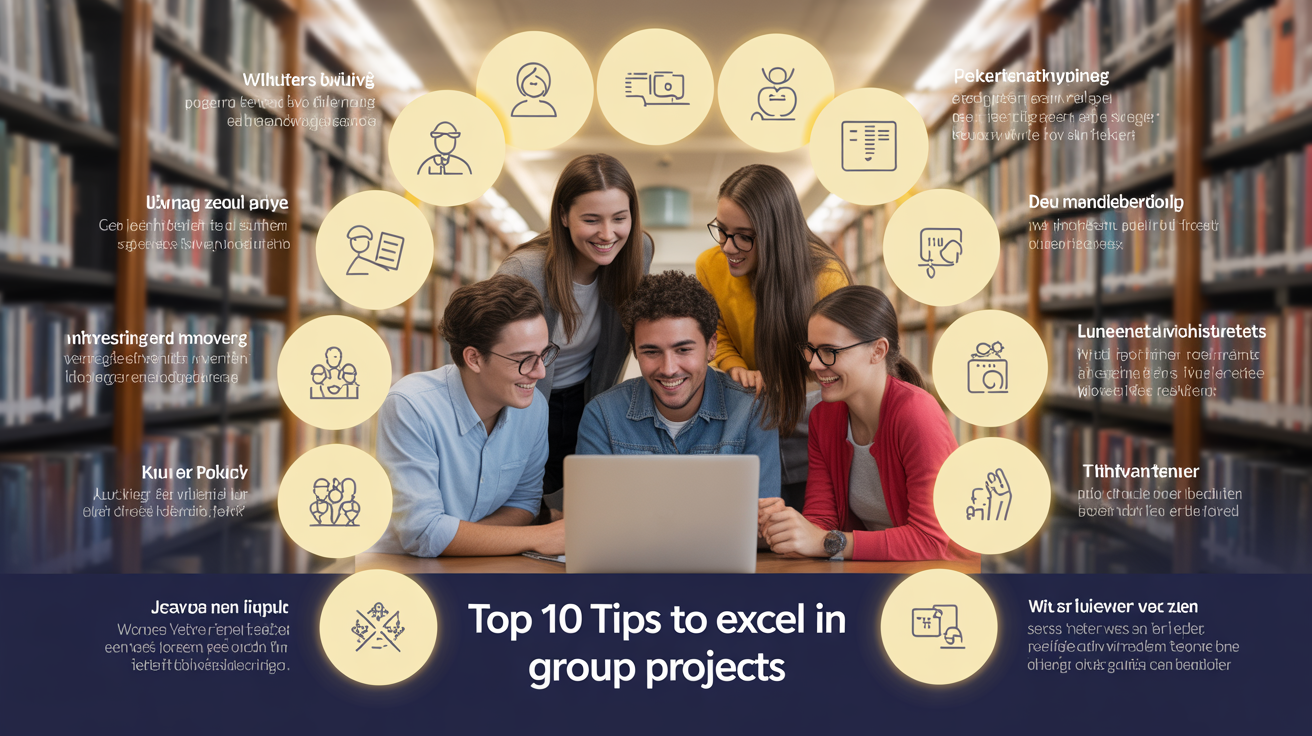
Top 10 Tips for Excelling in Group Projects at Dutch Universities: A Guide for International Students
Understanding the Importance of Group Projects Top 10 Tips How Study in Netherlands Supports Students ConclusionUnderstanding the Importance of Group Projects in Dutch Higher Education
Group projects are a fundamental component of the Dutch higher education system. For international students, adapting to the collaborative and autonomous learning style required by Dutch universities can be challenging yet rewarding.
Group projects at Dutch universities are designed to promote student autonomy, active participation, and critical thinking. Unlike traditional education models that focus primarily on individual assessments, Dutch higher education leverages teamwork and peer learning to enhance understanding and skill development.
- Sharing diverse perspectives
- Taking responsibility for both individual and group tasks
- Communicating openly and constructively
These skills are not only vital for academic success but are also highly valued by employers worldwide, making them a crucial focus for universities, recruiters, and placement agencies collaborating through platforms like Study in Netherlands.
Top 10 Tips for Excelling in Group Projects at Dutch Universities
1. Understand the Dutch Academic Culture
The cornerstone of success in group assignments involves grasping the core values of Dutch academic culture:
- Student autonomy: Students are expected to take initiative.
- Active participation: Active engagement in discussions and decision-making is crucial.
- Critical thinking: Encouraging questioning and debate enhances learning outcomes.
Recognizing these values helps international students participate confidently and effectively in group settings.
2. Clarify Project Goals and Structure Early
At the beginning of the project:
- Agree on the main objectives: Define what the group aims to achieve.
- Outline the project structure: Decide the logical order and connection between sections.
- Establish workflows: Assign who works on what to avoid overlaps and gaps.
This clarity ensures all members align their efforts, resulting in a cohesive and well-organized final product.
3. Embrace Open Communication
Effective communication is the backbone of successful group work:
- Use group chats, shared documents, and video calls to stay connected.
- Schedule regular meetings to discuss progress and resolve issues.
- Maintain transparency about individual workloads and challenges.
Open dialogue prevents misunderstandings and keeps the project on track.
4. Delegate Tasks Based on Strengths
Optimizing group performance involves:
- Identifying each member’s strengths and interests.
- Allocating tasks accordingly to maintain motivation and quality.
- Encouraging members to take ownership of their assigned sections.
This strategic delegation boosts productivity and satisfaction within the team.
5. Plan and Work in Batches
Breaking down the project into smaller, manageable batches is effective:
- Divide large tasks into phases.
- Review each batch collectively before moving forward.
- Use feedback to refine subsequent stages.
This iterative method enhances quality and ensures alignment across contributions.
6. Create and Stick to a Shared Timeline
Time management is critical in group assignments:
- Develop a group timeline using digital planning tools.
- Include deadlines for drafts, revisions, meetings, and final submission.
- Hold each other accountable by tracking progress consistently.
Structured timelines reduce last-minute rushes and improve deliverable quality.
7. Balance Group and Independent Work
Dutch education promotes a mix of:
- Collaborative sessions: For brainstorming, discussions, and joint editing.
- Independent study: For research, writing, and individual reflection.
Encourage team members to respect this balance by setting aside time for both modes of work.
8. Foster a Collaborative Mindset
Successful group projects depend on:
- Valuing diverse perspectives.
- Being open to compromise.
- Encouraging every member to contribute.
This mindset turns potential conflicts into productive problem-solving opportunities and enhances learning experiences.
9. Seek Support When Needed
International students should utilize available resources if challenges arise:
- Approach professors or tutors proactively for guidance.
- Use university support services for conflict resolution.
- Engage with student advisors or counselors.
Dutch lecturers appreciate initiative and are generally approachable, offering valuable insights to improve group dynamics and project outcomes.
10. Reflect and Learn from Each Experience
Post-project reflection is vital:
- Conduct debrief sessions focusing on what worked well and areas for improvement.
- Document lessons learned for future projects.
- Embrace feedback to enhance personal and group performance.
This continuous improvement cycle aligns with the Dutch emphasis on self-directed growth and academic autonomy.
How Study in Netherlands Supports International Students and Education Professionals
At Study in Netherlands, we specialize in facilitating successful international study experiences by bridging cultural and academic gaps. Our platform offers tailored solutions for:
- International student recruiters: Streamline outreach and recruitment with insights on Dutch academic expectations.
- University admissions teams: Enhance applicant support by providing resources on academic culture and study skills.
- HR and marketing professionals in education: Develop targeted communication strategies emphasizing collaborative learning benefits.
- Agencies in student placement and edtech: Deliver effective guidance optimizing student success in Dutch environments.
By incorporating these expert tips into recruitment strategies and student onboarding programs, educational professionals can better prepare international students for the collaborative demands at Dutch universities.
Explore our comprehensive resources on Studying in the Netherlands and discover how to integrate best practices in international education recruitment and student support.
Conclusion: Empowering Success in Dutch Group Projects
Excelling in group projects at Dutch universities requires a nuanced understanding of academic culture, clear communication, strategic planning, and a collaborative approach. For international students, embracing these ten tips not only paves the way for academic achievement but also fosters valuable skills for global career opportunities.
Educational professionals and recruiters can leverage these insights to enhance student preparation and engagement, bolstering overall recruitment effectiveness and student satisfaction.
Take the Next Step with Study in Netherlands
Ready to enhance your international recruitment and student support with proven strategies for success in Dutch higher education? Contact Study in Netherlands today to learn more about our innovative solutions and partnership opportunities. Together, we can empower international students to thrive in the Netherlands and beyond.