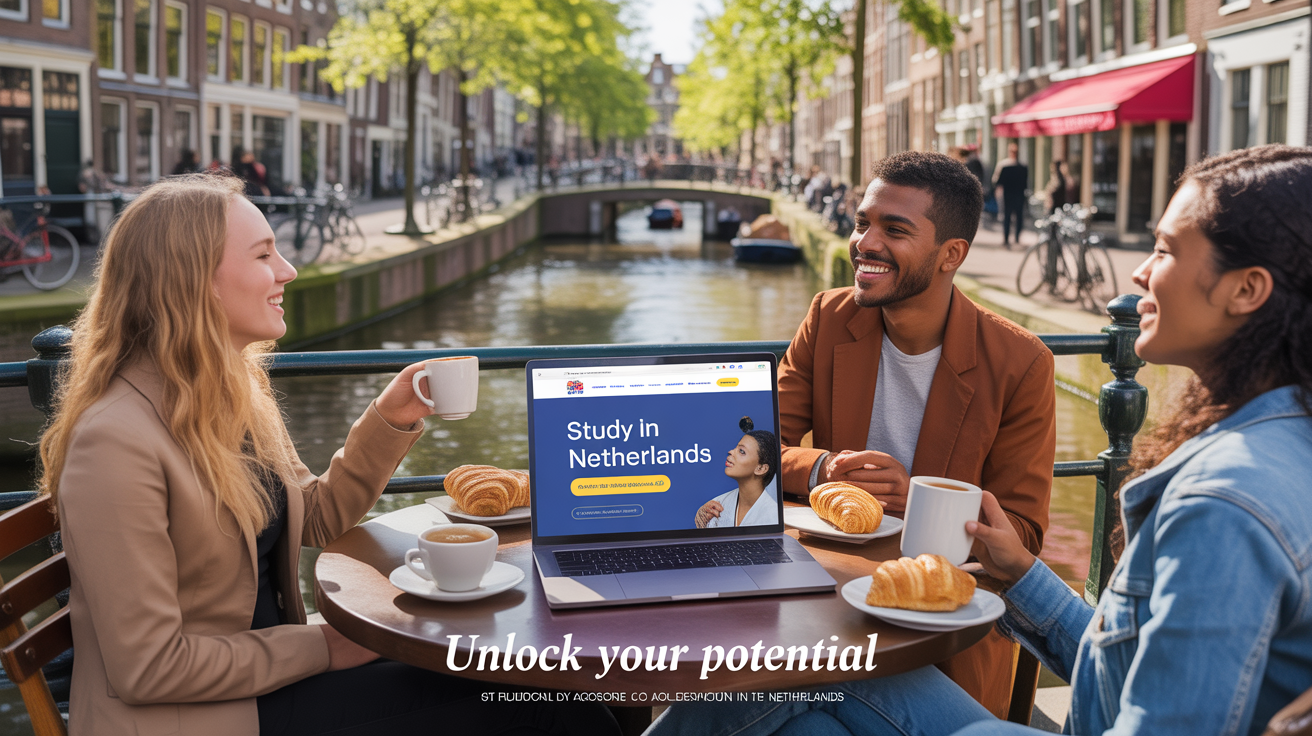
How to Maximize Your Study Abroad Experience in the Netherlands on a Budget
Quick Navigation
- Understanding Your Budget
- Choosing Affordable Accommodation
- Eating Well on a Budget
- Getting Around
- Student Discounts
- Buy Second-Hand
- Manage Leisure and Social Life Mindfully
- General Savings Tips
- Why Partner with Study in Netherlands
- Conclusion
- Take the Next Step
Understanding Your Budget: The Foundation for Smart Spending
Budget planning is the cornerstone of a successful and affordable study abroad journey. Being organized financially will help you allocate resources efficiently and avoid surprises.
Create a Comprehensive Monthly Budget
Begin by listing all potential income sources:
- Scholarships or grants
- Parental contributions
- Part-time work income
- Savings
Next, identify your monthly expenses:
- Rent and utilities
- Groceries and food
- Transportation
- Study materials
- Health insurance
- Leisure and social activities
Using budgeting tools or even a simple spreadsheet can help you track and visualize your spending patterns every month. This discipline enables better decision-making and prevents overspending.
Tips for Effective Budget Management
- Review and revise your budget regularly.
- Set aside an emergency fund for unplanned expenses.
- Prioritize essential costs over discretionary spending.
At Study in Netherlands, we provide support and resources to help students and recruitment partners understand local cost structures, ensuring informed financial planning.
Choosing Affordable Accommodation: Sharing You Save
Accommodation often represents the largest expense for students. However, research shows that shared housing or university dormitories are excellent options to reduce monthly rent significantly.
Shared Housing: Cost Savings and Community
Opting for a shared apartment or dormitory can reduce your rent by €200–€300 monthly compared to renting alone. Flatsharing is a common practice in Dutch university cities and also offers social benefits:
- Opportunity to build friendships and networks
- Shared utility and grocery costs
- Learned skills in cooperation and communication
Start Early and Explore Your Options
The housing market in popular Dutch cities can be competitive, so begin your search as soon as admission is confirmed. Consider:
- University-managed dormitories or housing
- Private student housing platforms
- Local housing bulletin boards through student associations
Navigating accommodation options effectively requires guidance that Study in Netherlands is uniquely positioned to offer through partnerships with universities and local agencies.
Eating Well on a Budget: Smart Food Choices
Food expenses are another significant part of student budgets but can be managed prudently with strategic planning.
Cook at Home and Shop Smart
Home-cooked meals can save you between €100–€150 monthly compared to eating out. To maximize savings:
- Shop at discount supermarkets such as Lidl and Albert Heijn’s budget options.
- Visit local fresh markets for seasonal and affordable produce.
- Plan weekly meals ahead to avoid impulse buys and food waste.
Meal Planning and Preparation
Batch cooking and using leftovers reduce the need for last-minute takeout orders. By developing cooking skills and meal routines, students can enjoy nutritious food at a fraction of the cost.
Getting Around: Embrace Dutch Mobility on a Budget
Transport can add up quickly if not managed carefully, but the Netherlands offers efficient, student-friendly options.
Cycling: The Dutch Way
Investing in a second-hand bike or leasing one is highly recommended. Cycling is the most economical and environmentally friendly way to commute.
- Saves on public transport costs
- Encourages an active lifestyle
- Aligns with local culture and convenience
Public Transport Discounts
Many cities offer student discounts or monthly public transport passes. When longer-distance travel is necessary, check for these offers to ensure affordable mobility.
Make the Most of Student Discounts
Dutch institutions and businesses recognize student budgets by providing discounts across various services and entertainment options.
Where to Find Discounts
- Public transport tickets
- Museums and cultural venues
- Cinemas and theaters
- Retail shops and restaurants
Never hesitate to present your student ID and inquire about available savings — these can accumulate to €50–€100 monthly, making a significant difference over time.
Buy Second-Hand: Sustainable and Cost-Effective
Purchasing used items is not only budget-friendly but also environmentally beneficial.
Textbooks, Electronics, and Furniture
- Use university exchange groups or online student communities to find affordable second-hand textbooks.
- Explore local markets for used furniture, clothes, and other essentials.
- Join online platforms dedicated to student-to-student sales.
Reusing and recycling reduce upfront costs, allowing your budget to stretch further.
Manage Leisure and Social Life Mindfully
A fulfilling social life is essential, yet many feel pressured to overspend in this area. Fortunately, Dutch universities and communities organize numerous low- or no-cost activities.
Engage with University Events and Associations
- Attend workshops and career development events
- Participate in student clubs and societies
- Utilize university sports and recreation facilities
These alternatives enable you to enjoy social networks and culture without excessive expenses.
General Savings Tips for International Students
- Share expenses: From groceries to utility bills, cooperative spending helps reduce individual financial burdens.
- Use budgeting apps: Maintain real-time tracking of your finances.
- Stick to your budget: Discipline and regular review prevent financial pitfalls.
Why Partner with Study in Netherlands for International Student Recruitment
At Study in Netherlands, we understand the importance of affordable, practical advice for international students navigating life in the country. Our tailored recruitment and admissions solutions help universities, agencies, and HR teams attract and support students with clarity on financial and logistical matters.
We leverage data-driven insights to streamline the recruitment process, ensuring applicants are well-informed and prepared before arrival. By collaborating with us, your institution can enhance student satisfaction and retention through expert guidance on maximizing experiences within realistic budgets.
Conclusion: Maximize Your Study Abroad Experience Without Breaking the Bank
Maximizing your study abroad experience in the Netherlands on a budget is achievable through careful planning, smart choices, and effective resource utilization. By managing accommodation, food, transportation, and leisure spending wisely — and leveraging student discounts and second-hand markets — you can enjoy all the academic and cultural opportunities this vibrant country offers without financial stress.
For universities, international recruiters, and agencies, partnering with Study in Netherlands means providing your students with comprehensive support and actionable advice from pre-arrival to graduation. Together, we can make international education in the Netherlands accessible, enriching, and affordable.
Take the Next Step with Study in Netherlands
Ready to enhance your student recruitment strategy and support network? Contact Study in Netherlands today to explore partnership opportunities and discover how our expertise can help you and your students thrive.