
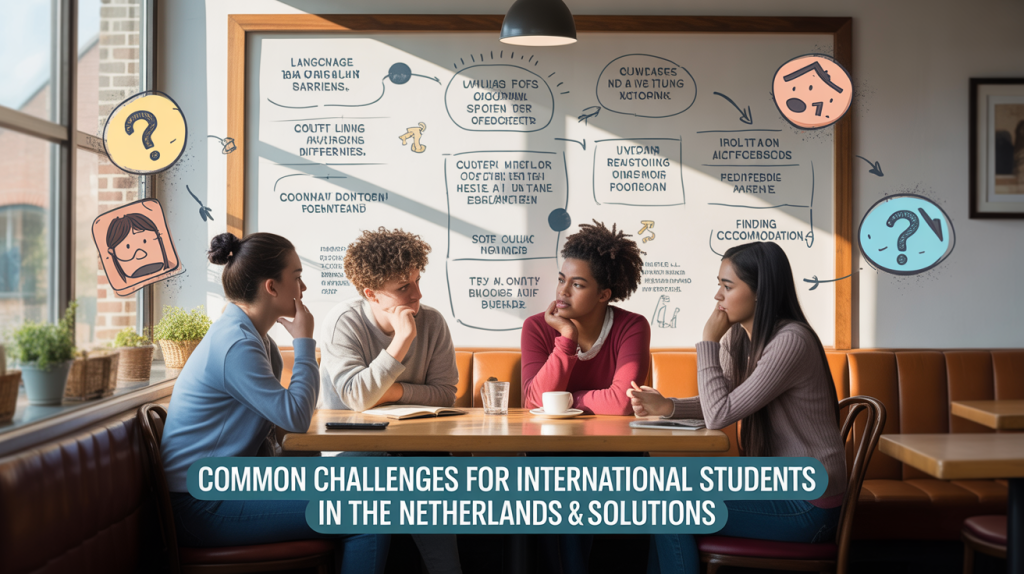
Common Challenges for International Students in the Netherlands and How to Overcome Them
The Housing Crisis: A Major Barrier for International Students
One of the most pressing challenges international students encounter is finding affordable and suitable accommodation. This issue is especially acute in major Dutch cities such as Amsterdam, Rotterdam, Utrecht, and The Hague, known for their vibrant student populations.
Why Housing Is a Challenge:
- Housing shortage combined with high demand results in long waiting lists.
- Affordable options are limited, often compelling students to accept temporary or suboptimal housing.
- High rents place additional financial strain on students.
- The need to secure distant housing solutions can contribute to emotional stress and difficulty settling in.
University accommodations often fill up quickly, and private rentals may involve complex legal requirements and risk of scams. For international recruitment teams and admissions offices, understanding this challenge is critical for managing student expectations and providing timely guidance.
Academic and Educational Adjustment in the Dutch System
The Dutch higher education system emphasizes independent study, critical thinking, and academic rigor. Students from different educational backgrounds may find this transition demanding, leading to several adjustment challenges:
- Different pedagogical approaches compared to home countries.
- Experiences of loneliness, isolation, and homesickness heightened by unfamiliar classroom dynamics.
- Language barriers amplified by reductions in English-taught courses in certain disciplines or cities.
For admissions teams and recruiters, this highlights the importance of preparing prospective students with realistic insights into academic expectations and recommending preparatory resources.
Policy and Regulatory Shifts Affecting International Students
Recent shifts in Dutch higher education policy have increased complexity for international students:
- Stricter visa rules and enhanced compliance requirements.
- Limitations on the availability of English-language programs.
- Uncertainty around program availability and future educational prospects.
These regulatory changes may deter prospective students if not clearly communicated and navigated carefully by university international offices and recruitment partners.
Strategies to Overcome Challenges Faced by International Students
While the challenges are significant, proactive strategies involving students, education institutions, and recruitment agencies can mitigate their impact substantially.
Navigating the Housing Market Effectively
- Start Early: Encourage students to begin accommodation searches before arrival. Early planning improves chances of securing better housing.
- Use Official Channels: Direct students towards university housing services and reputable student housing platforms to avoid scams.
- Flexibility and Legal Protection: Advise flexibility regarding location or temporary housing but emphasize the importance of official rental contracts for legal security.
Academic Adaptation Techniques
- Active Engagement: Encourage students to participate actively in classes, ask questions, and seek clarification, fostering better engagement with Dutch educational expectations.
- Utilize Workshops and Orientation: Promote attendance at university orientation sessions and academic skills workshops designed to ease the transition.
- Build Networks: Support students in connecting with fellow internationals and joining student societies to foster a support system.
Addressing Social and Cultural Integration
- Orientation and Social Activities: Recommend participation in events organized during orientation weeks to build friendships and understand Dutch culture.
- Cultural Associations: Connect students with cultural and student organizations that encourage intercultural exchange.
- Support Services: Make students aware of university counseling, peer mentoring, and mental health supports to help manage feelings of isolation or homesickness.
Managing Policy and Language Changes
- Stay Informed: Advise students to monitor updates on visa, residency, and work permit regulations through official university international offices.
- Language Support: Encourage enrollment in Dutch language courses offered by many universities at no or low cost, enhancing integration and academic success.
- Consult University Counselors: If English-taught programs are reduced, students should seek alternative pathways or program options to maintain continuity.
Admissions professionals can provide ongoing support by maintaining strong ties with university international offices to relay policy changes promptly.
Take the Next Step with Study in Netherlands
Ready to enhance your international student recruitment strategy or streamline admissions for students facing these common challenges? Explore further with us.