
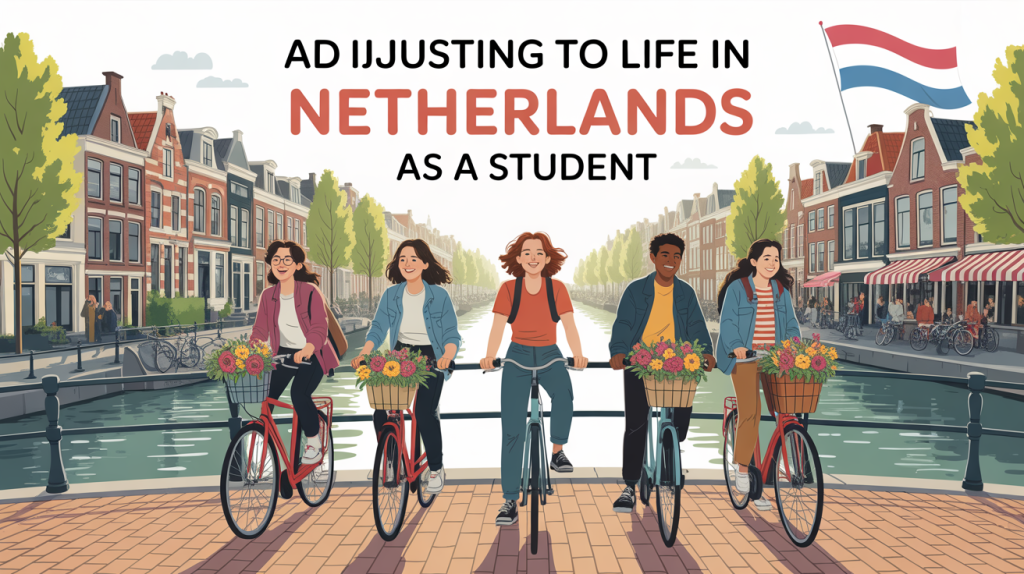
The Best Tips for Adjusting to Life in the Netherlands as a Student
- Understanding the Dutch Education System
- Planning Your Finances Early
- Securing Accommodation in Advance
- Embracing Dutch Culture and Language
- Navigating Practical Arrangements
- Making the Most of Student Life in the Netherlands
- Prioritizing Your Well-being
- Why Partner with Study in Netherlands for International Student Success
- Take the Next Step with Study in Netherlands
Understanding the Dutch Education System
A key component of a successful transition for international students is gaining clarity on the Dutch education system. This understanding empowers students to align their academic goals with program structures and sets realistic expectations.
Types of Higher Education Institutions
- Research Universities: These focus on academic research and theoretical knowledge, suitable for students aiming for scientific careers or postgraduate studies.
- Universities of Applied Sciences: Emphasizing practical skills and professional training, these institutions prepare students for specific careers in various industries.
Teaching Styles and Assessment Formats
- Collaborative group work and projects
- Continuous assessment and presentations
- Encouragement of critical thinking and independent study
Preparing students for these methods helps minimize cultural and academic shocks once they arrive.
Planning Your Finances Early
Adjusting to life abroad also entails managing finances wisely. The cost of living in the Netherlands varies significantly by region and city, which affects students’ budgeting needs.
Regional Cost Differences
- High-cost cities: Amsterdam, Rotterdam, The Hague, and Utrecht tend to have higher accommodation and living costs. Students considering universities in these cities should be prepared for increased expenses.
- More affordable alternatives: Cities such as Tilburg, Enschede, Wageningen, Eindhoven, and Groningen offer quality education with relatively lower living expenses.
Budget Essentials
- Rent and utilities
- Food and groceries
- Transportation (student discount travel cards are available)
- Study materials and leisure activities
Providing students with budgeting tools or workshops aids in setting realistic expectations and reduces financial stress during their studies.
Securing Accommodation in Advance
Finding suitable housing is often cited as one of the most challenging aspects of studying in the Netherlands. The competitive housing market in popular student cities means early action is vital.
Accommodation Options
- University Housing: Many institutions offer on-campus or affiliated housing, which guarantees proximity but may have waiting lists.
- Private Rentals: Renting private rooms or apartments provides independence but requires early and careful searching.
- Shared Housing: Sharing apartments is a popular and cost-effective choice, ideal for social integration.
Practical Tips for Housing Search
- Start the accommodation search immediately after admission confirmation.
- Verify what is included in rent (e.g., utilities, internet).
- Use official university platforms or trusted housing websites.
- Be aware of rental contracts and tenant rights.
Embracing Dutch Culture and Language
Cultural adaptation enriches the international student experience and accelerates social integration.
Language Considerations
Although most university courses are offered in English and many Dutch people speak English fluently, learning basic Dutch phrases benefits daily life and community engagement.
- Enroll in introductory language courses.
- Use language learning apps and practice conversational Dutch.
- Engage with local Dutch speakers to improve fluency.
Cultural Insights and Social Engagement
The Dutch culture is recognized for its openness, direct communication style, and inclusivity. International students can:
- Participate actively in student associations and clubs.
- Attend social events and cultural festivals.
- Foster friendships with both Dutch and international peers.
Navigating Practical Arrangements
Handling administrative and legal requirements efficiently is essential for settling comfortably.
Visa and Residence Permits
- Confirm visa requirements and application timelines based on nationality.
- Understand the residence permit process to avoid legal complications.
Health Insurance and Registration
- Dutch law mandates valid health insurance coverage; students must arrange this promptly.
- Register with the local municipality within five days of arrival, a prerequisite for legal residency.
Banking and Local Services
- Opening a Dutch bank account facilitates rent payments and everyday transactions.
- Familiarize yourself with public transportation options such as OV-chipkaart for convenient travel.
Making the Most of Student Life in the Netherlands
A vibrant student life enhances academic success and personal growth.
Student Communities and Associations
- Thousands of clubs and societies cater to interests ranging from sports to arts, tech, and entrepreneurship.
- Joining these groups provides networking opportunities and a sense of belonging.
Exploring the Netherlands and Beyond
Excellent public transport and proximity to neighboring countries enable travel and cultural exploration during breaks.
- Encourage students to participate in exchange programs or study tours to broaden perspectives.
Prioritizing Your Well-being
Maintaining mental and physical health is crucial for academic performance and quality of life.
Work-Life Balance in Dutch Culture
The Netherlands advocates a balanced lifestyle, encouraging students to manage time effectively between studying and leisure.
Support Services and Counseling
- Most universities offer counseling, stress management resources, and international student advisors.
- Early engagement with support services prevents potential challenges from escalating.
Why Partner with Study in Netherlands for International Student Success
At Study in Netherlands, we specialize in guiding international students through every phase of their educational journey—from recruitment and admissions to onboarding and life adjustment.
- Tailored recruitment strategies targeting diverse global markets.
- Streamlined admissions support that aligns student aspirations with the best Dutch institutions.
- Dedicated resources helping students adjust to cultural, academic, and practical challenges.
By collaborating with us, universities, agencies, and education professionals can offer enhanced value to their international student candidates, improving satisfaction and retention.
Take the Next Step with Study in Netherlands
Explore further opportunities to support your students in their transition to Dutch higher education.