
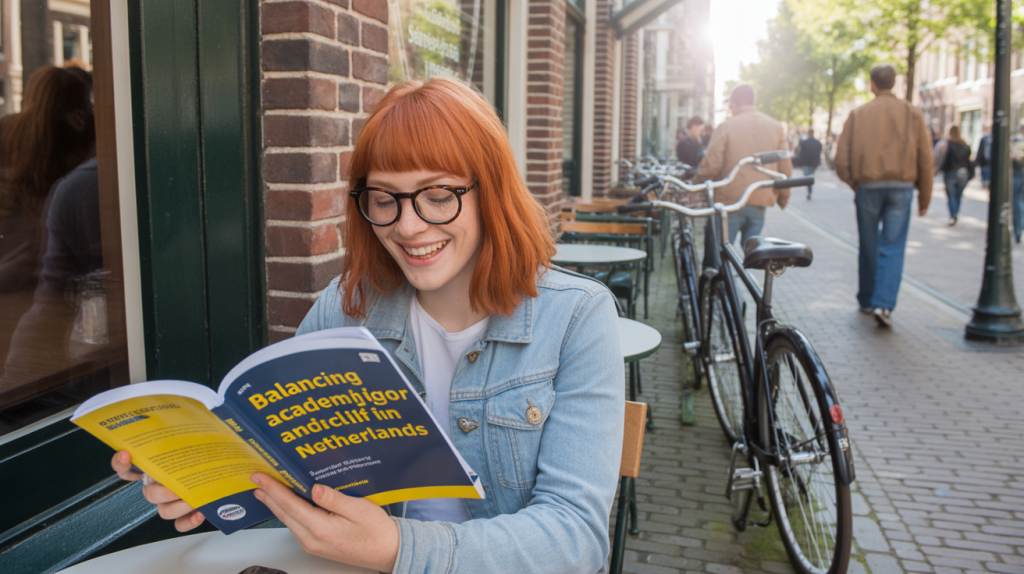
Balancing Academic Rigor and Social Life in the Netherlands: A Guide for International Students
Quick Navigation
Understanding the Dutch Academic Environment
The Dutch higher education system is distinct in its approach, placing a strong emphasis on student autonomy, active participation, and collaborative learning. Unlike many countries where instruction is mostly top-down, Dutch universities encourage students to take charge of their learning journeys. Typical courses combine lectures, seminars, and group projects that foster critical thinking and interpersonal skills.
International students may initially find this independence demanding, especially if they come from more rigid educational systems. For success, students must embrace self-management, engage actively in class, and contribute meaningfully to group assignments. This proactive attitude is highly valued by Dutch educators and is essential for navigating academic expectations effectively.
Effective Strategies for Balancing Academic and Social Life in the Netherlands
Successfully balancing academic responsibilities with social engagement requires intentional planning and adaptation. Below are actionable strategies for international students and education professionals to support this balance.
1. Develop Effective Time Management Skills
A cornerstone of balancing academic rigor and social life is the ability to manage time efficiently. Students should create personalized weekly schedules that allocate time for:
- Lectures and seminars
- Independent study and coursework
- Group projects and meetings
- Leisure, social activities, and rest
By proactively planning their weeks, students prevent academic tasks from overwhelming their schedules, leaving room to participate in enriching social experiences. Time management tools and apps can assist students in organizing their responsibilities and tracking deadlines.
2. Engage in Extracurricular and Social Activities
Dutch universities and cities offer abundant opportunities for students to engage beyond their studies:
- Join student clubs, societies, or sports teams
- Attend university-hosted cultural and networking events
- Explore local attractions and city life to foster integration
Participating in these activities cultivates a sense of belonging, broadens social networks, and enhances intercultural competence. For international student recruiters and university admissions teams, highlighting these opportunities can be a key factor in attracting prospective students.
3. Embrace Student Autonomy and Responsibility
Taking initiative is central to Dutch academic success. Students are encouraged to:
- Ask questions and seek feedback from professors
- Actively participate in class discussions and group work
- Take responsibility for their academic progress
This independent mindset aligns with the Dutch work ethic and facilitates deeper engagement with learning material, ultimately reducing academic stress.
4. Utilize Support Networks and University Resources
No student should navigate this balance alone. Universities in the Netherlands typically provide robust support systems, such as:
- Academic advisors and mentors
- Counseling and well-being services
- Peer tutoring and study groups
Encouraging students to leverage these resources not only aids academic performance but also addresses social and emotional well-being, critical components of a holistic student experience.
The Dutch Work-Life Balance Philosophy and Student Life
The Netherlands holds a cultural emphasis on maintaining a healthy work-life balance—a philosophy deeply embedded in the student experience. Unlike regions where student life is confined to campus, Dutch student life is often integrated with broader city life, offering a rich tapestry of social, cultural, and recreational activities.
This integration encourages students to view their education not only as academic achievement but as part of a broader developmental experience. Taking time for socializing, cultural exploration, and relaxation is seen as essential for sustaining motivation and mental health.
For education professionals and agencies involved in student placement or recruitment, understanding and conveying this balanced lifestyle can be a powerful message that resonates with students seeking both academic challenge and quality of life.
Adapting to Life in the Netherlands: Supporting the Transition
Transitioning into the Dutch education system and lifestyle can be an adjustment, particularly for international students unfamiliar with its unique characteristics. Key recommendations to ease this transition include:
- Cultivate Flexibility: Encourage students to embrace the autonomy and collaborative elements of Dutch learning.
- Promote Social Engagement: Integrate social opportunities early in orientation programs and academic advising.
- Offer Time Management Workshops: Provide training or resources on effective planning and prioritization.
- Foster Community Connections: Facilitate peer support groups or buddy programs.
These approaches help students adapt more quickly and find harmony between academic demands and personal life, fostering a rewarding and enriching educational experience.
How Study in Netherlands Supports Academic and Social Balance
At Study in Netherlands, we understand that helping international students balance academic rigor with social life is crucial to their success and well-being. Our platform provides comprehensive solutions that address the multifaceted needs of students and educational institutions alike:
- Expert Consultancy: We guide universities and agencies on international recruitment strategies tailored to highlight the Dutch education system’s strengths, including its balanced lifestyle.
- Student-Centered Content: Through blogs, resources, and webinars, we equip students to navigate academic challenges while embracing Dutch culture and social life.
- Collaborative Networks: We facilitate partnerships between universities, recruiters, and edtech providers to share best practices in student support and integration.
By partnering with Study in Netherlands, organizations can enhance their recruitment effectiveness and improve international student experiences, bridging academic goals with social fulfillment.
Conclusion
Balancing academic rigor and social life in the Netherlands is achievable with the right mindset, support systems, and planning. The Dutch education system’s focus on autonomy and collaboration, combined with its cultural appreciation for work-life balance, creates a unique environment for international students to excel both academically and personally.
Educational professionals, recruiters, and agencies play a pivotal role in preparing students for this balance by offering guidance, resources, and opportunities for engagement. Study in Netherlands stands ready to partner with you in delivering these comprehensive solutions to empower students and institutions alike.
Take the Next Step with Study in Netherlands
Ready to help your students achieve a fulfilling academic and social experience in the Netherlands? Contact Study in Netherlands today to learn how our expertise and innovative solutions can enhance your international recruitment, admissions, and student support efforts. Together, we can shape the future of global education in the Netherlands.