
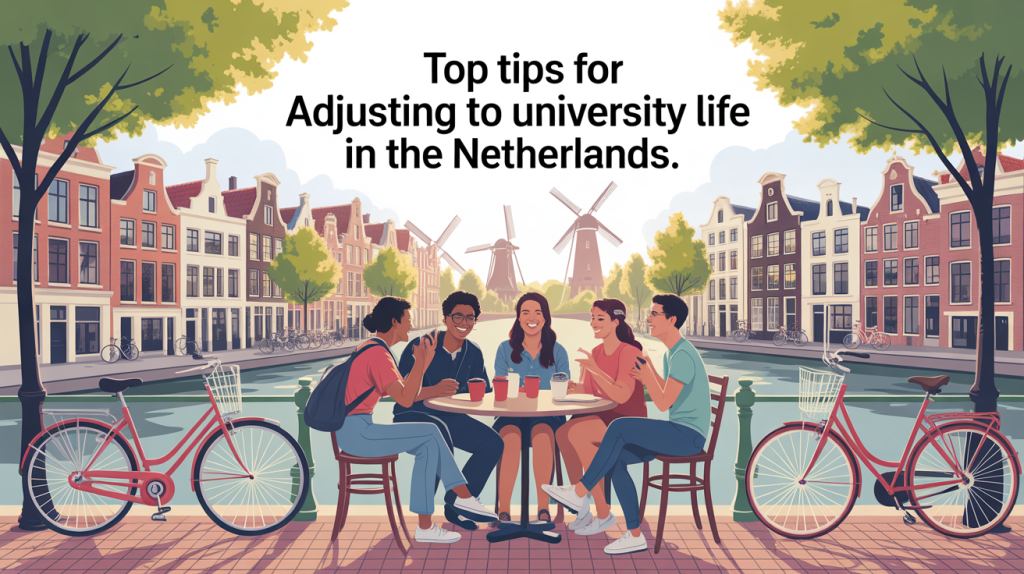
Top Tips for Adjusting to University Life in the Netherlands: A Comprehensive Guide for International Students
Planning and Preparation: The First Step to Success
Proper planning and preparation are the foundation of a successful transition to university life in the Netherlands. International students face varying challenges such as securing accommodation, fulfilling university registration requirements, and managing finances. Advanced organization can mitigate these challenges.
Secure Accommodation Early
- Explore university dormitories, private housing, and shared living arrangements.
- Leverage university resources and local housing platforms.
- Advise students to consider proximity to campus and public transport options.
Organize University Registration and Finances
- Assist students in completing university registration processes promptly.
- Encourage the creation of a detailed financial plan, accounting for tuition fees, living expenses, health insurance, and transport.
- Support students in exploring scholarships, part-time jobs, and internships to supplement their budgets.
Understanding Dutch Academic Culture
The Dutch education system is distinct in its emphasis on independence, critical thinking, and collaboration. International students often need orientation to adapt to this academic environment effectively.
Embrace Independent Learning and Collaboration
- University teaching in the Netherlands often revolves around workshops, group projects, and discussions rather than traditional lectures.
- Students are expected to take initiative in their learning and demonstrate critical thinking.
- Group work is common and serves as a prime opportunity to develop teamwork and intercultural communication skills.
Informal yet Direct Communication Style
- Dutch professors usually foster an informal classroom environment.
- Feedback tends to be straightforward, with less emphasis on praise.
- Expect direct communication regarding areas for improvement.
- This approach encourages self-reliance and continuous personal development.
Familiarize With the Grading System
- The grading scale runs from 1 to 10, with a minimum passing grade of 6.
- Understanding local grading expectations helps students set realistic academic goals.
Maximizing University Resources for Academic and Personal Growth
Dutch universities offer a comprehensive array of facilities and services designed to support student success. Encouraging students to engage with these resources can significantly enhance their university experience.
Utilize Libraries, Study Centers, and Tutoring Services
- Libraries often provide quiet study areas, access to digital resources, and reference materials.
- Study centers offer academic workshops focusing on skills such as research techniques, essay writing, and exam preparation.
- Tutoring services and peer mentoring can provide personalized academic support.
Effective Time Management and Study Scheduling
- Recommend use of digital calendars or study planners to manage lectures, assignment deadlines, and independent study sessions.
- Many universities offer workshops on study skills and time management — participation can boost student productivity.
Building a Social Network: Integrate and Thrive
Social integration is key to emotional well-being and academic success. Building connections with peers provides support and enriches cultural understanding.
Join Student Organizations and Clubs
- Groups like the Erasmus Student Network (ESN) offer excellent platforms to meet both international and local students.
- University-based societies cover interests ranging from sports and arts to academic disciplines.
Participate in University Events and Cultural Activities
- Encourage attendance at campus events, cultural outings, and local festivals.
- These activities provide informal environments to build friendships and experience Dutch culture firsthand.
Learn Basic Dutch Phrases
- While English is widely spoken, learning basic Dutch facilitates daily interactions and signals respect for the host culture.
- Many universities provide introductory Dutch courses tailored to international students.
Engaging with Dutch Culture: Beyond the Classroom
To fully benefit from their stay, students should be encouraged to immerse themselves in Dutch cultural practices and societal norms.
Move Beyond the International Student Bubble
- Engage with local Dutch students through social events and academic collaborations.
- Understand and adapt to the Dutch preference for direct, honest communication.
Adapt to Local Environments
- Recognize that student life differs significantly depending on location.
- Smaller university towns offer a close-knit community feel, whereas larger cities provide diverse cultural experiences and networking opportunities.
Adapting to Everyday Life in the Netherlands
Understanding daily life logistics helps students manage their personal lives independently, reducing stress and improving focus on academic pursuits.
Budgeting and Financial Planning
- The cost of living varies across Dutch cities; students should create and adhere to detailed budgets.
- Part-time employment and internships provide financial support and valuable work experience compatible with study schedules.
Embrace Cycling as Primary Transportation
- Cycling is the predominant mode of transport for students, offering cost-effective and eco-friendly mobility.
- Encourage students to acquire bicycles early and familiarize themselves with local cycling regulations for safety and convenience.
How Study in Netherlands Supports International Student Success
At Study in Netherlands, we understand the complexities international students face when relocating for higher education. Our expertise spans education leadership, international recruitment, and tailored solutions designed to streamline admissions and student integration processes.
- We offer tailored recruitment strategies aligned with university goals.
- Our comprehensive platforms facilitate student engagement, from initial contact through to enrollment.
- Resources and insights, such as this guide on top tips for adjusting to university life in the Netherlands, empower education professionals to improve student outcomes.
Conclusion: Empowering International Students for Success in the Netherlands
Adjusting to university life in the Netherlands demands preparation, cultural adaptation, and proactive resource utilization. By understanding Dutch academic culture, building supportive networks, and embracing local lifestyle practices, international students can thrive both personally and academically.
Education professionals, recruiters, and university teams play an essential role in facilitating these adjustments through comprehensive support, effective communication, and resource sharing.
Take the Next Step with Study in Netherlands
Ready to enhance your international student recruitment and support? Connect with Study in Netherlands today to discover how our expertise and solutions can elevate your institution’s international programs.