
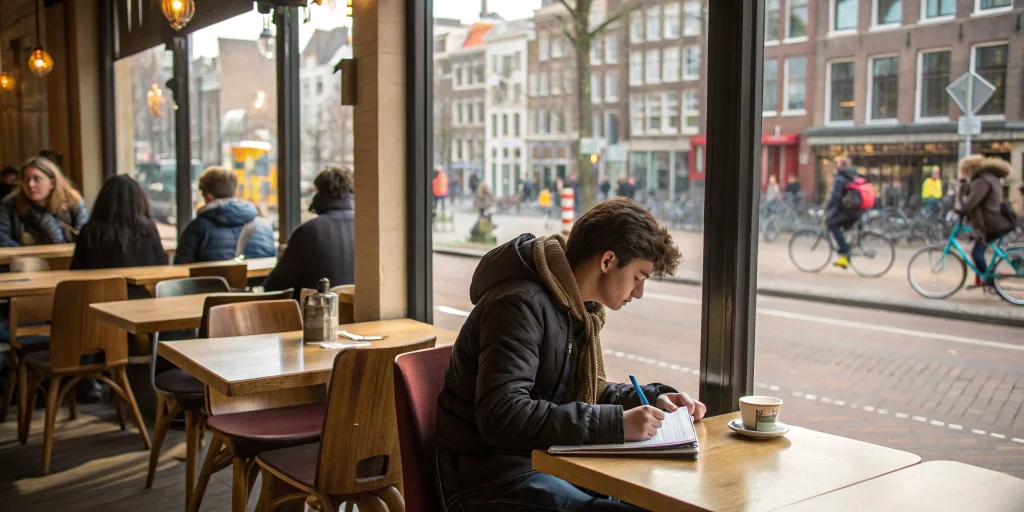
How to Overcome Culture Shock When Studying in the Netherlands
Understanding Culture Shock
Culture shock occurs when students encounter unfamiliar values, customs, and social norms different from their home countries. It typically unfolds through distinct stages, each reflecting the emotional and psychological adjustments students undergo.
Stages of Culture Shock
- Honeymoon Phase
Upon arrival in the Netherlands, international students often feel exhilarated by the novelty of their environment. Everything—from the scenic canals to Dutch traditions—seems fascinating, viewed through an optimistic lens. This initial enthusiasm is a positive foundation for cultural immersion. - Negotiation Phase
As the honeymoon period fades, students start to notice differences that may cause discomfort or frustration. Cultural practices, communication styles, or academic expectations can seem confusing or alien. This negotiation phase is crucial, as students begin to consciously evaluate Dutch culture compared to their own. - Adjustment Phase
With time and effort, students develop coping mechanisms and begin to understand the rationale behind Dutch customs. They start feeling more comfortable and competent navigating daily life, both socially and academically. - Adaptation Phase
Eventually, international students integrate aspects of Dutch culture into their identity. What was once unfamiliar becomes part of their normal life, resulting in a more enriching and balanced cultural experience.
Recognizing these stages is essential for support teams to provide timely guidance and resources effectively.
Common Cultural Differences in the Netherlands
Understanding specific cultural characteristics of the Netherlands prepares international students for smoother adjustments. Below are some of the most notable Dutch cultural traits that might initially cause culture shock:
1. Bicycle Culture
The Netherlands is famously one of the most bike-friendly countries globally. Bicycles are not just a mode of transport—they are deeply woven into daily routines and social life. For students unfamiliar with cycling as a primary means of transit, adapting to this culture can be challenging but rewarding.
Key considerations:
- Navigating busy bike lanes requires attentiveness and respect for road rules.
- Investing in a quality bicycle and learning maintenance basics are practical steps.
- Embracing biking offers health benefits and environmental advantages.
2. Directness in Communication
Dutch communication is well-known for its frankness and directness. While this bluntness might seem abrupt or even rude from certain cultural perspectives, it usually stems from valuing honesty and efficiency.
How to adapt:
- Understand that direct feedback is not personal criticism but rather a reflection of Dutch cultural norms.
- Practice clear and concise communication to build mutual respect.
- Avoid overinterpreting straightforward comments.
3. Planning and Structure
The Dutch highly value punctuality and planning. University schedules, social events, and work commitments are typically well-organized in advance.
Adapting tips:
- Develop a habit of effective time management and forward planning.
- Respect deadlines and appointments to demonstrate professionalism.
- Use planners or digital calendars to stay on top of academic and personal commitments.
Strategies to Overcome Culture Shock
Supporting international students through culture shock requires proactive and empathetic strategies. Students and education professionals can leverage the following methods:
Recognize and Normalize Culture Shock
Understanding that culture shock is a typical and temporary phase helps students feel less isolated. Education professionals can organize orientation sessions explaining the stages of culture shock, normalizing the emotional responses students may experience.
Build a Strong Support Network
Connecting with peers—both international and Dutch—provides social support, promotes cultural exchange, and reduces feelings of loneliness.
- Encourage participation in university clubs, student associations, and cultural events.
- Facilitate buddy programs pairing new students with local mentors.
- Maintain open communication channels with university counseling and support services.
Embrace Cultural Differences as Learning Opportunities
Reframing challenges as chances for personal growth develops resilience and cross-cultural competence.
- Promote cultural curiosity through workshops or intercultural training programs.
- Encourage reflection on personal values and attitudes to foster cultural sensitivity.
Establish Consistent Routines
Having regular daily habits creates a sense of stability amidst change.
- Balance academic responsibilities with leisure activities.
- Incorporate familiar practices from home, such as favorite meals or hobbies, to maintain comfort.
Prioritize Self-Care and Wellbeing
Adjusting to a new culture can be stressful, so attention to mental and physical health is critical.
- Encourage regular exercise, proper nutrition, and restful sleep.
- Provide accessible mental health resources and support groups.
- Train academic and administrative staff to recognize signs of cultural adjustment difficulties.
The Role of Educational Institutions and Recruitment Agencies
For university admissions teams, international student recruiters, and agencies working in student placement and edtech, understanding culture shock is pivotal in delivering effective services.
Enhancing International Recruitment with Cultural Sensitivity
Recruiters can prepare prospective students by providing realistic information about Dutch culture, study expectations, and potential adjustment challenges. Pre-departure orientations and resource materials developed with cultural insights increase student readiness.
Strengthening Admissions and Support Services
Admissions teams can collaborate with departments to create comprehensive support systems addressing culture shock, including language assistance, social integration programs, and academic support tailored for international students.
Leveraging Technology Solutions
Edtech platforms can integrate cultural orientation modules and mental health check-ins to automate part of the adaptation support. These innovations reduce administrative burden and provide timely interventions.
Conclusion
Overcoming culture shock when studying in the Netherlands is an achievable goal with awareness, preparation, and support. Recognizing culture shock as a typical adjustment process, understanding Dutch cultural nuances, and implementing effective coping strategies enable international students to thrive both academically and socially.
Education professionals, recruiters, and support teams play a vital role in this process. By leveraging expertise and technology-driven solutions, they can create welcoming environments that empower students to succeed and fully embrace their Dutch study experience.
Take the Next Step with Study in Netherlands
Ready to enhance your institution’s international student support or collaborate on recruitment solutions? Contact Study in Netherlands today to learn more about how we can help you facilitate outstanding educational journeys for your students.